The Words Under the Pictures: Why Sound Makes a Wedding Film Rewatchable
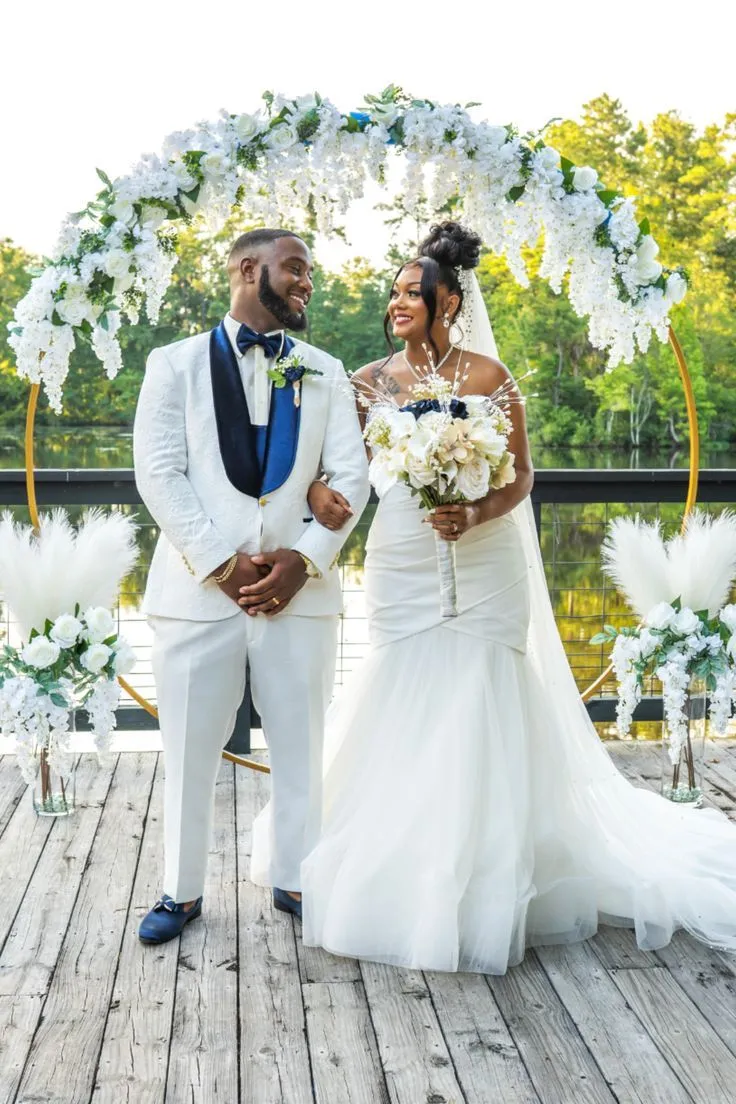
Photo: wedding videographer lavalier microphone bride groom vows UK church, via i.pinimg.com
Wedding films are often sold on how they look. The light, the dress, the confetti, the slow-motion walk. All of that matters. But ask couples what they rewatch and they rarely mention a sweeping drone shot. They talk about the way he said 'I do' when his voice cracked. They talk about the speech that made the whole marquee roar. They talk about the reading their sister did, the one they had heard a hundred times in rehearsal and still did not expect to land so hard. Sound is not the backup track to the pictures. It is half the memory.
At Ceremony, audio is the part of the edit we obsess over quietly. A beautiful shot of a vow being read means little if the words are lost in wind or swallowed by a stone church. The good news is that clear sound is not magic. It is a series of small decisions made before the day, plus a bit of planning on the day itself. Here is what actually helps.
The microphone is not the whole story
Couples often ask which microphone we use. The honest answer is that the microphone matters less than where it is and what it is pointed at. A lavalier clipped to the groom's lapel can pick up every rustle of a jacket. A shotgun mic on the camera can capture the room but also the photographer's shutter. A recorder placed near the reader can be gold, as long as it is not in the shot and does not pick up a nearby air-conditioning unit.
For a UK ceremony, the best setup is usually a mix. One discreet lavalier on the couple if they are comfortable wearing it. One on the officiant or celebrant, because they are projecting and their microphone often feeds the room. A small recorder near the readings, especially if the reader is not using a PA. And a backup on camera for atmosphere. The aim is not to record everything perfectly. It is to have options in the edit.
Churches, registries and marquees
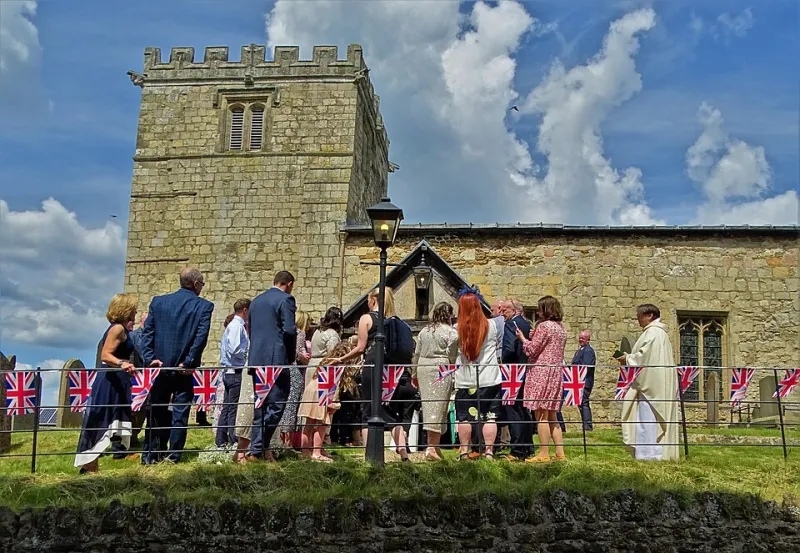
Every venue has its own acoustic personality. A village church with stone walls and a high ceiling can make a whispered vow sound like it is happening three pews away. It can also turn a loud laugh into a boom. A registry office is often smaller and drier, which is easier, but the hum of a hand dryer or a queue outside the door can creep in. A marquee is the opposite problem: soft walls, no acoustic treatment, and the sound of rain on the roof or cutlery being set up in the next field.
If you are in a church, talk to the vicar about where the readings will happen and whether there is a sound system. If you are in a marquee, think about where the speeches will be staged. Put the speaker near a solid wall if you can, not in the middle of a vast open space. Keep the bar closed during the vows and the speeches if possible. Ask the caterers to hold off on clattering plates for ten minutes. These are not fussy requests. They are the difference between a film you can hear and a film you have to lip-read.
Reading pace and the paper problem
One of the most common audio issues in wedding films is not equipment. It is pace. Nervous readers speed up. They drop their voice at the end of sentences. They hold the paper too close to their face and rustle it against the microphone. The result is a reading that sounded lovely in the room but sounds like a secret in the edit.
If you are reading, practise slower than feels natural. Breathe at the full stops. Look up at the couple at least once. Print the reading in a large, clear font on one side of the paper, not a folded sheet that crackles. If you are the one writing vows, read them aloud before the day. Not to memorise them, but to find the places where your voice catches. Those places are not a problem. They are usually the best bits. But it helps to know they are coming.
The phrases that make a film rewatchable
The lines couples ask us to keep are rarely the grandest ones. They are the small, specific phrases: the nickname no one else uses, the promise to keep the kettle on, the joke about whose turn it is to put the bins out. Those lines are gold because they are unmistakably yours. They also tend to be quieter, which is exactly why clear audio matters.
When we edit, we listen for the unscripted moments around the scripted ones. The whispered 'you look lovely' before the ceremony starts. The celebrant's aside that makes the couple relax. The speech that goes off-piste for a second and gets the biggest laugh. Those moments are fragile. If the sound is muddy, they disappear.
A practical checklist
Before the day, tell your film crew where the readings will happen and who is speaking. Share the order of service. If there is a PA system, ask the venue who is operating it and whether we can take a feed. If you are writing vows, send us a copy so we know the shape of the language, even if we do not use it as a script. On the day, keep the ceremony room as quiet as you can, and resist the urge to have background music playing right up to the processional.
Then trust the small stuff. The pause. The breath. The line that gets a laugh when no one expected it. A wedding film is not a music video with people in it. It is a record of how your day sounded. Get the words right, and the pictures have somewhere to land.