After the Last Dance: Why the Winding-Down Hour Belongs in Your Wedding Film
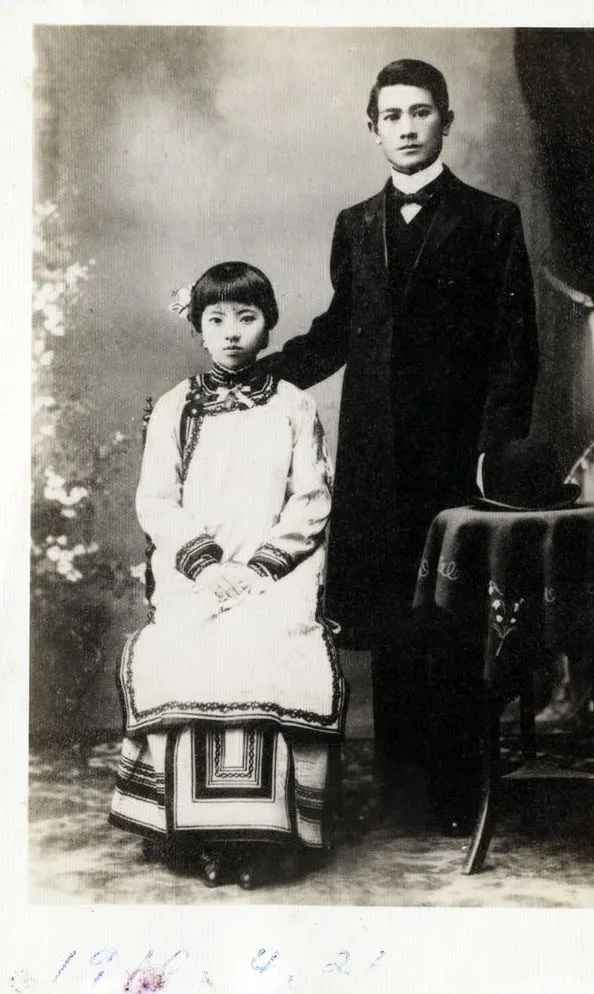
Photo: Unknown authorUnknown author, Public domain, via Wikimedia Commons
There's a moment near the end of a wedding day that almost never makes it into the film. The DJ has played the last song. The band is coiling cables into a flight case. Half the guests are outside waiting for a coach, and the other half are doing that slow, reluctant hover by the door. And somewhere in the middle of it all, the couple sits down together for the first time in about twelve hours.
That moment is not on the schedule. It's not in the shot list. It's usually the first thing to get cut. But it's often the part couples come back to.
The bit after the highlight reel
Wedding films have a natural shape: morning, ceremony, drinks, speeches, first dance, confetti, out. It's a tidy arc, and it works. But it also means the film tends to end at the peak—the big cheer, the burst of colour, the song everyone knows. Which is lovely, but it's not the whole story.
The last twenty minutes of a UK wedding are a different kind of footage. The light is low. The energy is softer. People have stopped performing. The venue coordinator is stacking chairs in the corner. Someone is handing out leftover cake in napkins. The couple are not being watched in the same way, because everyone else is thinking about taxis and whether they've got their coat.
That's exactly why it's worth filming.
What actually happens at 11:40pm
It's rarely dramatic. It's small stuff. A bridesmaid sitting on the floor to take her shoes off. A dad doing a final lap of the room looking for his glasses. The groom loosening his tie and admitting he's shattered. The bride eating a chip from someone else's plate. A conversation between two people who haven't spoken all day, finally having a proper catch-up.
None of it looks like a wedding film moment. All of it is.
At Ceremony, we've learned that the winding-down hour is where the day relaxes into itself. The vows have been said. The pressure is off. The couple are still in their outfits but they've stopped holding their shoulders a certain way. You get the tired laugh, the quiet "can you believe it?", the half-finished sentence that doesn't need finishing.
Filming tired joy without making it melancholy
There's a risk here. Point a camera at the end of a wedding and you can accidentally make it look like a closing-time documentary. Sad music, empty chairs, a slow pan across a discarded bouquet. That's not what we're after.
The trick is to film the tail end as part of the celebration, not as the aftermath. Keep the camera low-key. Don't arrange anyone. Use the available light—the string bulbs, the glow from the bar, the phone torch someone's using to find a lost earring. Let the sound do the work: the clink of glasses being stacked, the distant hum of a taxi rank, the couple laughing at something nobody else will understand.
And don't rush it. The last twenty minutes are slow by nature. If you're still filming, you have to be comfortable with that slowness. No prompting. No "one more for the camera". Just stay present and let it unfold.
The venue staff are part of the story too
One of the quiet pleasures of filming a UK wedding is watching the venue team do their thing. The bar staff wiping down the pumps. The catering crew stacking plates with military precision. The coordinator doing a final walk-round with a clipboard. It's not glamorous, but it's honest. And it says something about the day: it was real, it happened, and now it's being packed away.
We don't frame that as sad. It's more like the credits rolling while the couple are still on set. A gentle reminder that everyone worked hard to make this happen, and now the room is returning to normal.
How it changes the edit
When you include the winding-down hour, the film gets a softer ending. Instead of finishing on a confetti cannon, you finish on the couple sitting together, maybe on a bench outside the marquee, maybe on the steps of the village hall, maybe just in the corner of a hotel bar with a cup of tea. It's not a crescendo. It's a landing.
Couples often tell us they didn't realise how tired they'd be, or how much they'd want to sit down. The film gives them that memory back—not the exhaustion, but the relief. The "we did it" of it.
A note for couples planning the day
If you want the tail end in your film, you don't need to plan a thing. In fact, the less you plan it, the better. Just leave a little room at the end of the night. Don't book the car for the exact minute the band stops. Don't schedule a sparkler exit if what you actually want is ten minutes sitting down. Let the day finish before you leave it.
Because the last twenty minutes are not the leftovers. They're the part where everyone stops trying so hard. And that's usually where the good stuff is.