Sunday, Slowly: Why the Morning After Belongs in Your Wedding Film
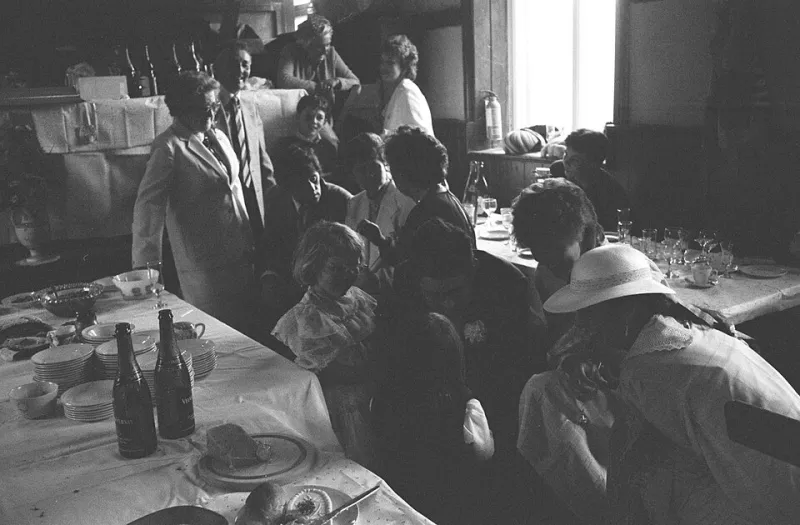
By eleven on Sunday morning, the wedding is over and the weekend is not. You will notice it before we do: the venue is quieter, the flowers have gone slightly over, and half the people in the breakfast room are wearing the clothes they travelled down in on Friday because the nice ones are unbuttonable.
This is the second act. It is the least filmed, least planned, least photographed few hours of the whole weekend — and, we would argue, the part that gives a wedding film its emotional landing.
The hour nobody books anyone for
Every wedding has an hour on Saturday when the schedule collapses. The photos run over, the meal goes long, the first dance happens twenty minutes early because the band are anxious about the neighbour's noise complaint. Everyone is brilliant and nobody is in charge.
Sunday is the opposite shape of day. There is nothing to be late for. The family who flew in from Vancouver are still here. Your dad is talking to someone from your partner's office about a shared interest in canal boats. The leftover cake has come out of its box in an undignified state of repair. Nobody has a job, and nobody is wearing shoes they like.
For a documentary filmmaker, that is almost embarrassingly good. You get people at their most unguarded, in a room that is warm and half-empty, with the pressure finally off. There is no aisle to walk down. There is just a stack of toast.
Why the film needs it
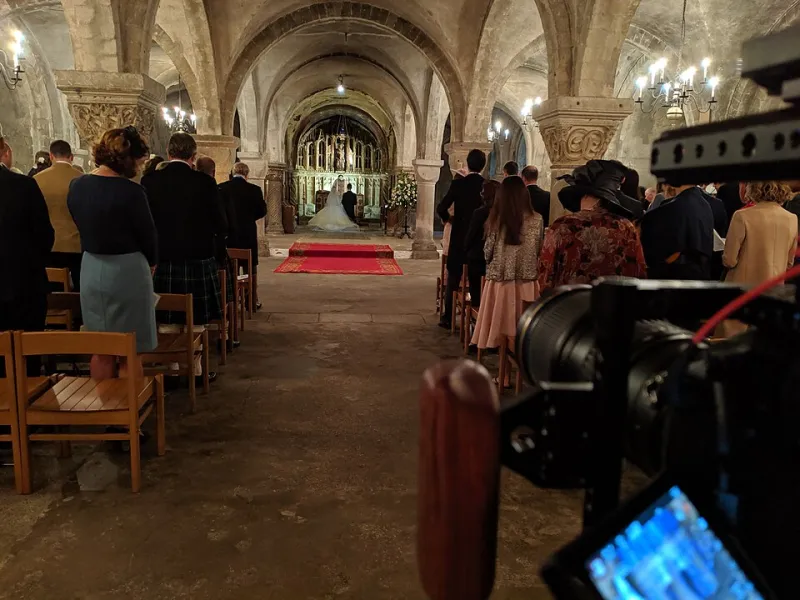
A wedding film built only from Saturday has a problem: it is all peak. Ceremony, confetti, speeches, dancing, done. It is exciting for three minutes and then the audience is exhausted, because nothing in it has had time to settle.
The Sunday footage fixes the pacing. It gives the film somewhere to breathe at the end. And it does something subtler: it shows what the wedding was for.
Because the point of all that Saturday effort was this — the person who married in from another country, sitting around a table with your family, at eleven in the morning, eating a slightly sad croissant and looking entirely at home. That is the payoff. A film that ends on a confetti cannon ends on the event. A film that ends on your grandmother putting her coat on to go home ends on the people.
Let the goodbyes be goodbyes
We never ask couples to save us a slot for the farewell. What we do ask is that people know roughly when they are leaving, so we can be around for it.
A goodbye is one of the most honest things a camera catches all weekend. The long hug. The car pulling away. Someone doing the ooh face into a cold car park. The grandad standing in reception waving, even though he will see you again at Christmas. People seem to think there is nothing to film in a departure, but there is: it is the camera recording the moment the day officially becomes a memory.
If you are only doing one thing on the Sunday, let it be the leaving. Not because you have to line up and wave — because you genuinely should not do that — but because being in the right place at the right time is all we need.
How to plan it without over-planning it
There is a real risk here, and it goes like this: someone books a Sunday brunch and then sends a schedule. Do not do that. The whole value of the morning is that it is unclaimed.
What works instead:
- Tell people where you will be and roughly when. A hotel breakfast room, a marquee still standing, a pub with a garden. No timings beyond "from ten."
- Keep it to the people who are still around anyway. Do not invite the whole guest list back a second time. This is the leftovers people, and leftovers are always the best guests.
- Leave the outfit alone. If you want to wear the dress again for half an hour, lovely. If you want to wear a hoodie, better.
- Do not stage anything. No second confetti toss, no re-run of the first dance. The whole point is that the performance is finished.
- Ask the venue whether the flowers are still up. A half-dismantled marquee is a fantastic place to film — it is the set after the play.
The last cup of tea
We have filmed Sunday mornings in a Yorkshire hotel lounge where a baby did the rounds of every table, and in a village hall with the bunting still up and the tea urn still warm, and in a chain hotel in Slough where the wedding party were the only people awake and the cleaner had joined in the conversation.
In every single one, the same thing happened. Somebody made a cup of tea for somebody they had not known forty-eight hours earlier, and the two of them sat down together while we filmed from across the room.
That is the shot we save for last. A wedding film does not really need a montage of the day; it needs an ending that tells you what the day left behind. One cup of tea, two people, Sunday morning, no schedule at all. Good weddings do not finish at midnight. They go on until everyone has had enough breakfast.